 REQUEST A FREE DEMO

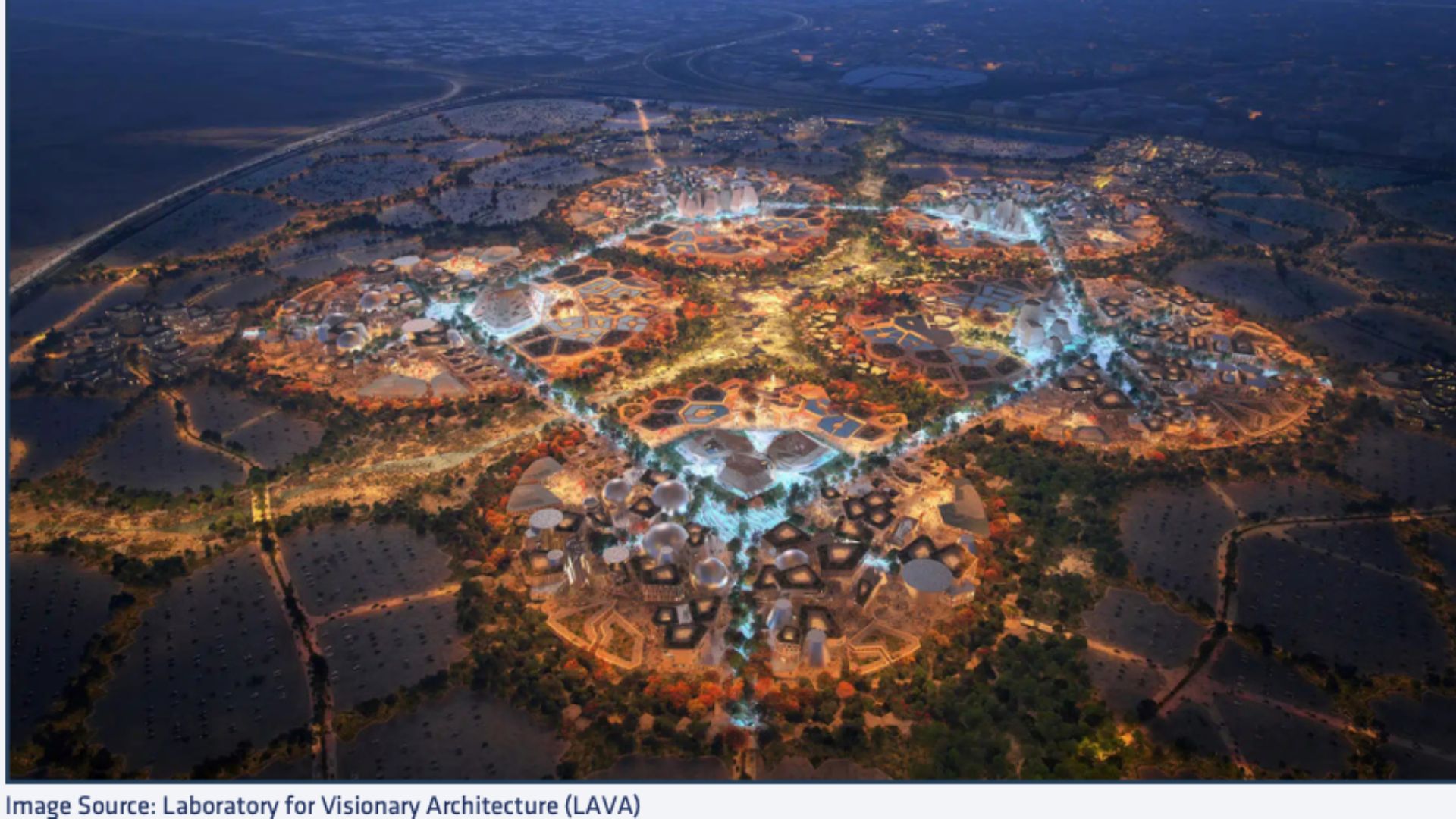
Saudi Arabia is running two of the world's largest mega-event infrastructure programmes back to back. Expo 2030 Riyadh and the FIFA World Cup 2034 sit on top of a combined pipeline exceeding US$100 billion, spanning a new Expo district in North Riyadh and 15 stadiums across five host cities.
This report tracks both programmes in detail: site plans, contract awards, key stakeholders, project timelines and investment values, alongside the economic projections and Vision 2030 context that tie them together.
Includes proprietary project data from Ventures Onsite, the region's leading construction intelligence platform.
Expo 2030 and the FIFA World Cup 2034 are the two most visible milestones inside Saudi Arabia's Vision 2030 programme. Together they represent a decade-long run of infrastructure investment. The report sets out how the two programmes connect, where they overlap with other giga-projects such as NEOM, Qiddiya and New Murabba, and what that means for contractors, consultants and suppliers positioning for the pipeline.
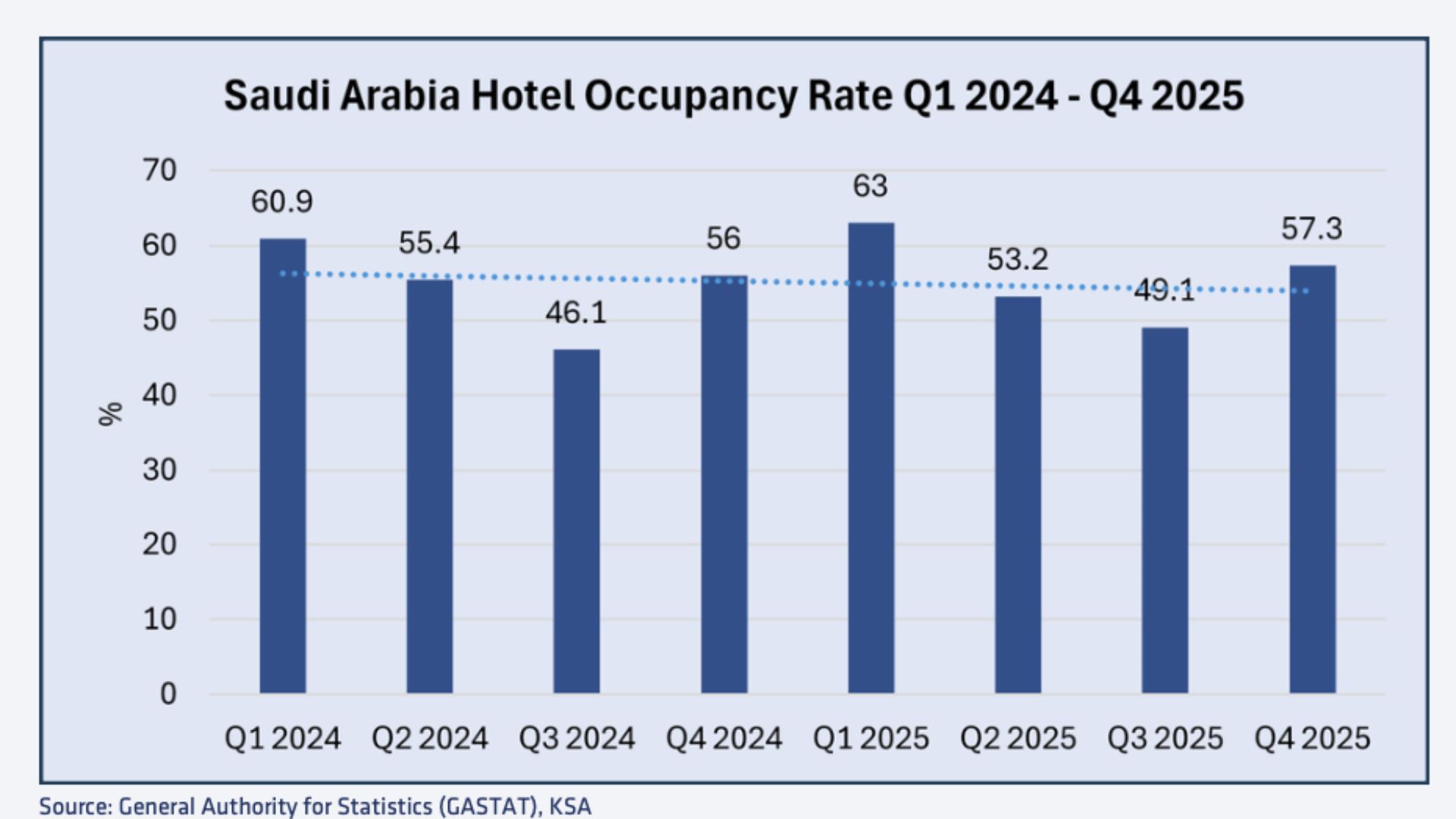
The FIFA World Cup 2034 will be the first World Cup hosted by a single country, played across 15 stadiums in Riyadh, Jeddah, Al Khobar, Abha and NEOM. The report profiles every stadium individually, including client, consultant, contractor, capacity, project status and expected completion date, from the 92,000-seat King Salman International Stadium down to the more speculative NEOM Stadium in Tabuk.
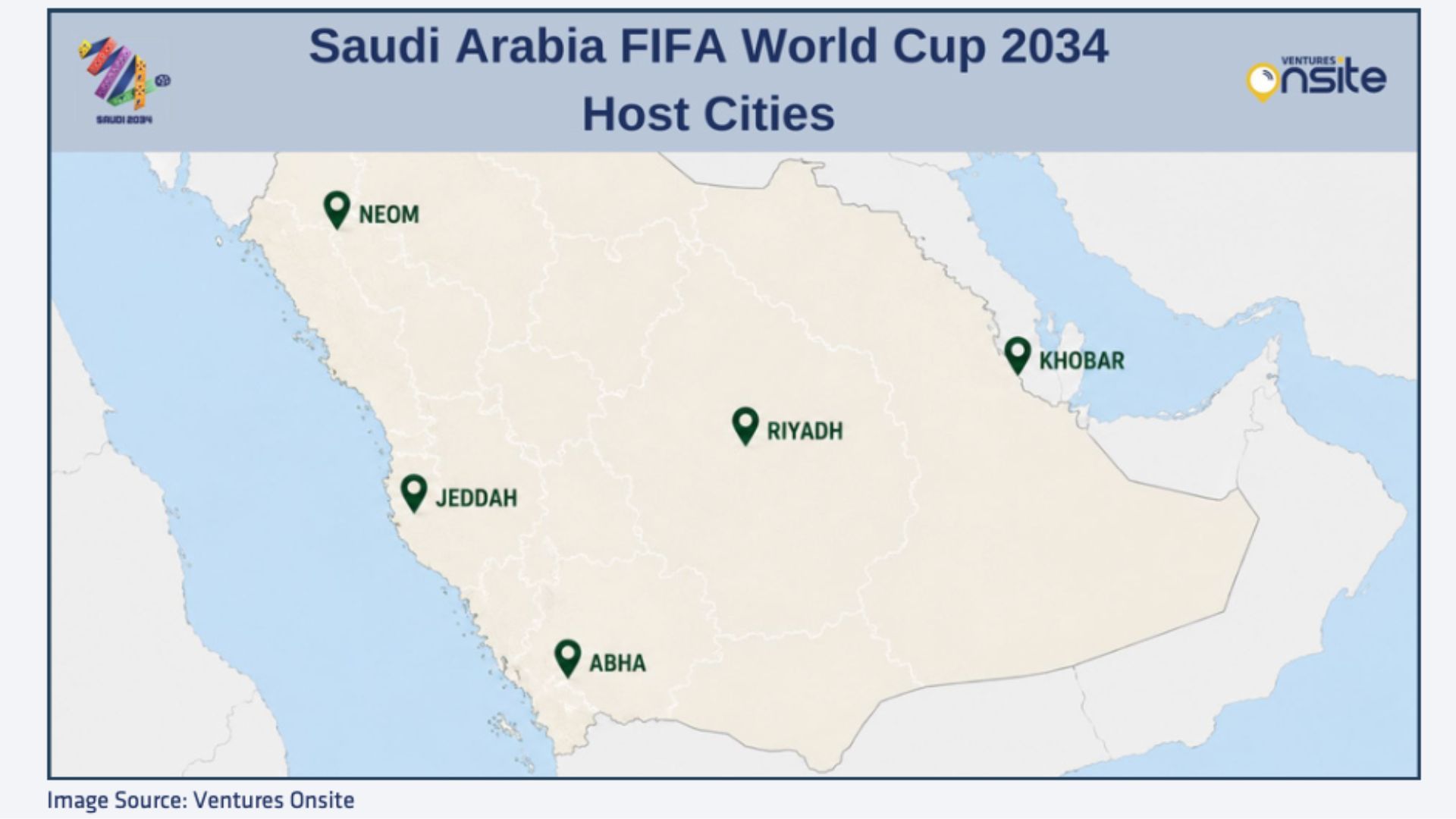
Both programmes are designed to accelerate Saudi Arabia's non-oil economy, which already contributed 53.2% of GDP in Q1 2025. The report quantifies projected GDP contribution during construction and operation, jobs created, and the tourism and hospitality demand both events are expected to generate, including hotel occupancy trends through 2025 and PIF's 100,000-room hotel pipeline.
Among the sectors, the building industry is expected to have the most substantial contractor awards. According to Knight Frank's report, a global property consultancy, there will be significant growth in the building sector in the coming years. The report projects a demand for 555,000 new residential units by 2030, indicating a vast need for new housing developments. Additionally, the tourism industry will require more than 275,000 new hotel rooms.
Construction on the Expo site is active, key contracts are awarded, and the stadium programme is moving from design into build. The question for the market is not whether these events happen, but where the next wave of contract awards lands, and who is positioned to win them.
The Riyadh Expo 2030 and FIFA World Cup 2034 pipeline includes projects worth a combined US$100 billion+, spanning infrastructure, stadiums, hospitality and transport, tracked in full inside the Ventures Onsite Projects Intelligence Platform.